Unit 5
Hunting wild animals
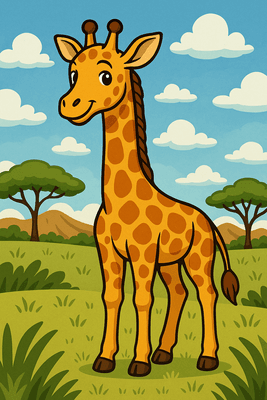
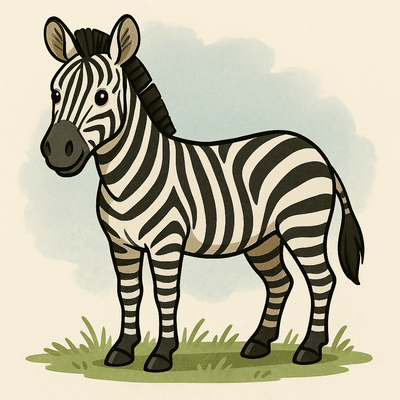
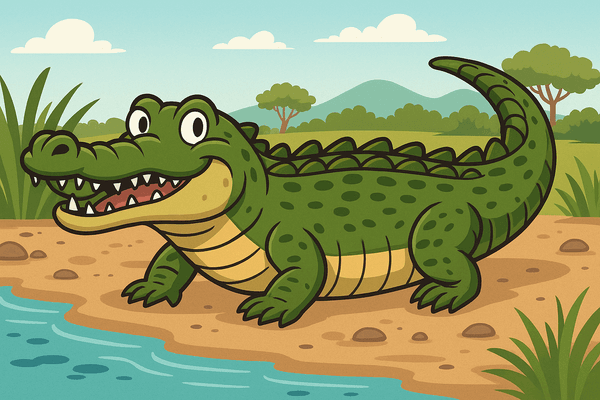
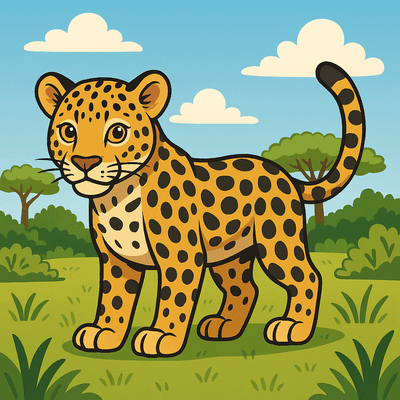
Activity 1: Name the animal in the picture and use words from the words in the blue box
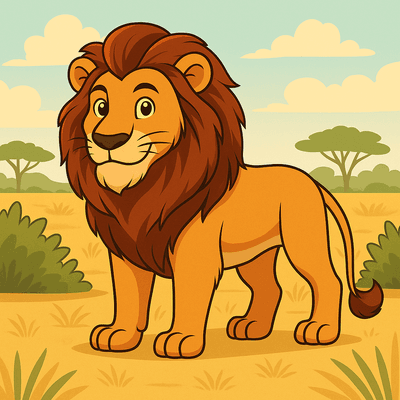
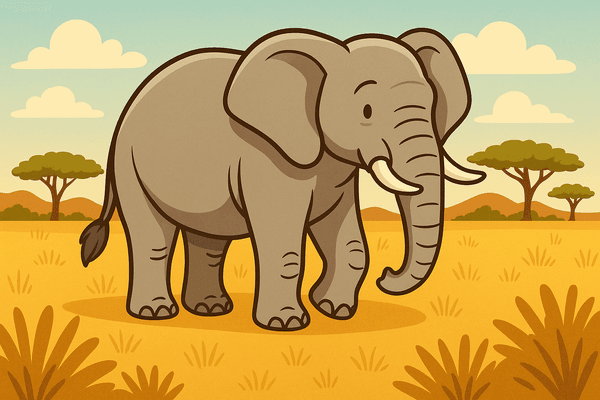
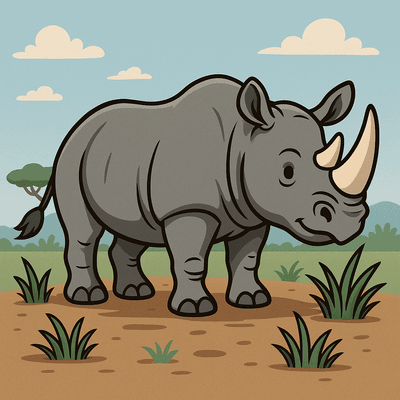
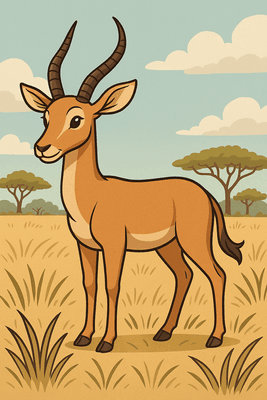
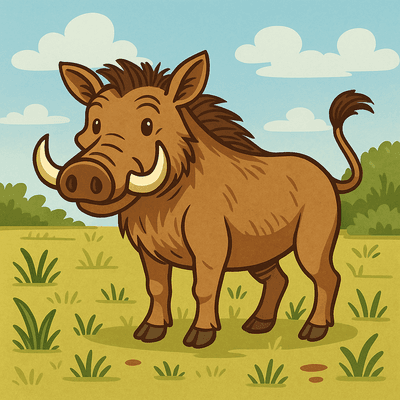
Activity 2: Learn new vocabulary - match the words on the left side with their meanings on the right side
Activity 2a: Match the words with their Swahili translation
You found 0 of 9 pairs.
No matches yet
Activity 2b: Match the words with their meanings
You found 0 of 8 pairs.
No matches yet
Activity 3: Choose the right words from the blue box and write them in the blanks
It isto hunt animals without a license.
The teacher gave aabout going near wild animals.
Ahelps to protect animals from danger.
The hunters tried tothe zebra, but it ran too fast.
We should never killjust for fun.
The hunter fired his gun and there was a loud.
You need ato go hunting.
We put ain the kitchen to catch the rat.
Activity 4: Listen to the audios and write down what you hear
Activity 5: Learn when to use "when", "as" and "while"
1. WHEN
Use "when" to talk about one event that happens at the same time as or after another. It works with the past, present, or future.
✅ Examples:
- When the bell rings, we go home.
- I was eating dinner when it started to rain.
Think of it as: “At the moment that…”
2. WHILE
Use "while" when two things happen at the same time — often long actions. We usually use it with past continuous.
✅ Examples:
- While I was cooking, my sister was cleaning.
- He fell asleep while watching TV.
Think of it as: “During the time…”
3. AS
Use "as" for two things happening at the same time (like "while"), or to show a cause (reason). In this lesson, we focus on time.
✅ Examples (time):
- As I was walking, I saw a monkey.
- The sun was rising as we left the house.
It also means: “at the same time as…”
4. Quick Summary Table
| Word | Use it when… | Example |
|---|---|---|
| when | one event happens after or during another | When it rains, we stay inside. |
| while | two actions happen at the same time (long) | While I was reading, he was sleeping. |
| as | two things happen at the same time | As I ran, I heard a noise. |
Fill in the blanks with the words "as", "when", or "while"
We heard strange noiseswe were walking through the forest.
We were very scaredthe noises became louder.
we reached the big tree, we saw a group of hunters.
The hunters stoppedthey saw us.
The animals ran awaythey heard the loud noise.
it was getting dark, the hunters started to leave the forest.
Activity 6: Read the story and answer the questions
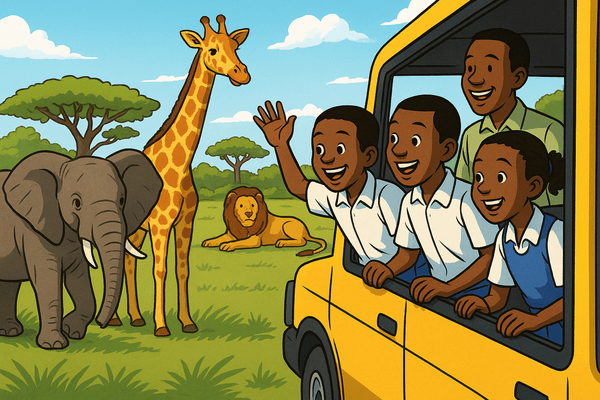
Story: A School Trip to the National Park
It was a bright and sunny morning in June. Standard six from Mlimani Primary School was going on a school trip to Nyerere National Park. The children had been talking about this trip for weeks. Many of them had never seen wild animals up close before.
The school bus was big and yellow. As it arrived at the school gate, the children ran with excitement. They were carrying small bags with snacks, notebooks, and water bottles. Some of them brought cameras to take pictures.
“Get in and sit down quickly,” said their teacher, Mr. Juma. “We don’t want to be late.”
The bus left the school at 8:00 in the morning. While they were riding, the children sang songs and looked out of the window. They passed villages, farms, and forests. As they entered the national park, the road became quiet and dusty. Tall trees stood on both sides, and birds flew across the sky.
At the park gate, a ranger in a green uniform greeted them. “Welcome to Nyerere National Park,” he said with a smile. “This is a place where animals live freely. You must follow the rules.”
He explained the most important things:
- Stay in the vehicle at all times.
- Do not make loud noises.
- Never feed the animals.
- If you see a poacher or someone setting a trap, tell a ranger.
The children nodded. They were a little nervous, but also very curious.
The driver started the engine again, and the bus rolled slowly into the wild. Everyone kept their eyes wide open.
“Look! Elephants!” shouted Amina. When the children looked to the left, they saw a big elephant drinking water from a muddy river. As the elephant lifted its trunk, it sprayed water all over its back to cool down. Behind it were two baby elephants walking close to their mother.
“Did you know elephants stay in families?” said the ranger. “They protect each other.”
The children wrote this down in their notebooks.
A few minutes later, they saw a zebra crossing the road. While it was walking, the driver stopped the bus. “Zebras always move in groups,” said Mr. Juma. “They use their black and white stripes to confuse lions.”
Just then, a loud bang came from far away. Some children jumped in their seats.
“Don’t worry,” said the ranger. “That was a warning shot. Sometimes we use sound to scare away poachers.”
The children became quiet. They had learned about poaching in school — it is when someone hunts animals without a license. It is illegal and dangerous for the animals.
Later, the bus stopped near a big tree. Under the tree, a lion was sleeping. Its head was resting on its paws, and its tail moved slowly.
As the children watched quietly, the lion opened one eye, yawned, and closed it again. Everyone stayed still.
“Remember,” whispered Mr. Juma, “we are in their home.”
Farther down the road, they saw tall giraffes, some warthogs digging in the dirt, and even a group of monkeys jumping from tree to tree. While the monkeys were playing, the children laughed and took photos.
Before going home, the ranger showed them animal tracks in the mud. “These belong to a buffalo,” he said. “And these small ones? They belong to a porcupine.”
At 3:00 in the afternoon, they left the park. When they reached the school, the children were tired but full of joy.
“I never knew animals lived like this,” said Hassan.
“Now I know why we must protect them,” added Neema.
They all agreed that it was the best school trip ever.
Activity 6a: Answer the questions
Where did the Standard six pupils go for their school trip?
What did the ranger tell the children NOT to do?
What did the elephant do near the river?
What sound did the children hear in the distance?
What animals did the children NOT see?
What did the ranger show them in the mud?
What time did the school bus leave in the morning?
What did the monkeys do in the trees?
Activity 7: Arrange the sentences so as to make a good composition by giving them letters A - E
36: As they followed the footprints, they heard birds singing in the trees.
37: Early in the morning, the hunters walked quietly into the forest.
38: The hunters decided to let the animal go and returned home happily.
39: They stopped when they saw fresh animal footprints on the ground.
40: While one hunter was looking around, he spotted a small antelope.
Choose the correct options:
Activity 8: Choose the correct answer
How _______ animals did you see on the trip to the national park?
many
much
any
If it rains tomorrow, we _________ at home.
will stay
stay
stayed
My parents told me, "We will visit a national park together." Change it into reported speech.
My parents told me that we would visit a national park together.
My parents told me that we will visit a national park together.
My parents told me that we visited a national park together.
We didn’t see _______ lions when we visited the national park.
any
some
a
This is Aisha’s book. Please give it back to ________.
her
him
she
Evelyn _______ English very well.
speaks
speak
speaking
Activity 9: Read the poem and answer the questions
In the Heart of the Forest
In the heart of the forest, so quiet and deep, The animals wander, the trees fall asleep. Birds sing softly, the wind whispers low, Nature is peaceful wherever you go.
Through the tall grasses, the hunters appear, Walking so gently, the animals near. They follow the footprints, they listen, they wait, The forest is watching—it knows every fate.
But kindness is stronger than arrows or spears, The hunters smile softly and put away fears. They leave the wild animals safe in their land, Protecting the creatures with gentle hands.