Unit 7
My country
Activity 1: Learn new vocabulary - match the words on the left side with their meanings on the right side
You found 0 of 12 pairs.
No matches yet
Activity 2: Read and listen to the story carefully - there will be questions and activities about it
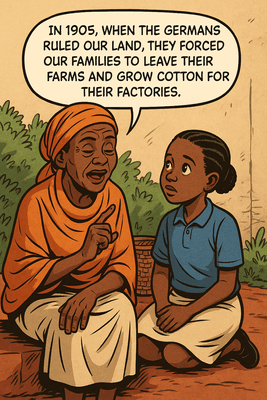
It was a quiet afternoon when Asha went to visit her grandmother. She sat on a small mat beside her and asked, “Grandma, can you tell me about the Maji-Maji War?”
Grandma smiled, looked at the sky, and began to speak.
Asha was amazed. "Could water really protect them? It must have felt like a miracle."
Asha looks down: "They believed so much in that water… it must have been heartbreaking."
Activity 2a: Summarise what Grandmother told Asha - choose the correct ending of each sentence
After her conversation with Grandmother, Asha went to find her brother Juma. She sat down next to him and said, "Grandmother told me many things about the Maji-Maji War. Let me tell you what she said."
Then Asha began to share her grandmother’s story.
Grandmother told me...
that the Germans had forced our people to grow cotton instead of food.
that the Germans had forced our people to grow tobacco instead of food.
that the Germans force our people to grow cotton instead of food.
that the British had forced our people to grow cotton instead of food.
She explained....
that a man named Kinjikitile Ngwale had claimed that special ugali could protect people from bullets.
that a man named Kinjikitile Ngwale have claimed that special water could protect people from bullets.
that a man named Kinjikitile Ngwale had claimed that special water could protect people from snakes.
that a man named Kinjikitile Ngwale had claimed that special water could protect people from bullets.
Grandmother said...
that many villagers had believed in the Maji-Maji water and had prayed for strength.
that many villagers had bought Maji-Maji water and had prayed for strength.
that many Germans had believed in the Maji-Maji water and had prayed for strength.
that many villagers has believed in the Maji-Maji water and has prayed for strength.
She said...
that at first the warriors had been brave and hopeful.
that at first the warriors had been scared.
that at first the warriors has been brave and hopeful.
that the warriors had not been hopeful from the beginning.
Grandmother explained....
that the Germans had brought animals and food from other places.
that the Germans bring cannons and extra soldiers from other places.
that the Germans had brought cannons and extra soldiers from other places.
that the Germans had not brought cannons and extra soldiers from other places.
She said...
that real strength came from unity, education, and peaceful actions.
that real strength came from cannons and weapons.
that real strength will come from unity, education, and peaceful actions.
that young people did not learn from Maji-Maji war.
Activity 3: Select if the statement is true or false
The Maji-Maji water could stop German bullets.
People were forced to grow cotton instead of their own food.
Kinjikitile Ngwale said the sacred water would protect the people.
The villagers had many big guns and cannons to fight the Germans.
Babu Saidi joined the Maji-Maji fighters when he was a young man.
The Maji-Maji war was won by the people who believed in the magic water.
The story shows that people stood together to fight for their freedom.
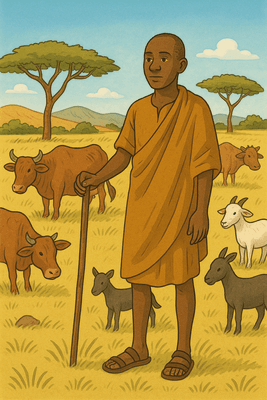
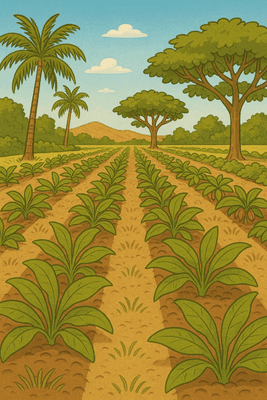
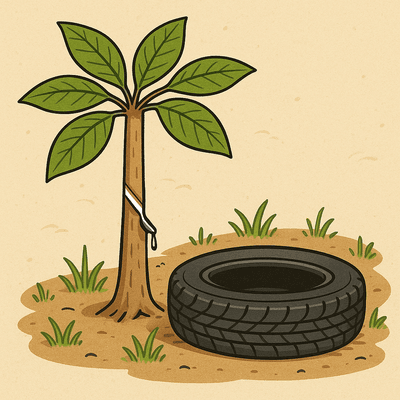
Activity 4: Use words from the blue box to describe the pictures
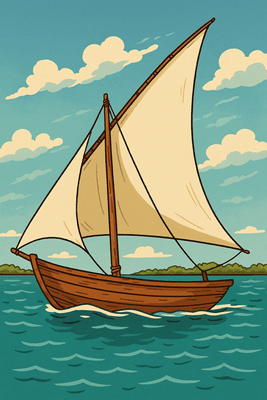
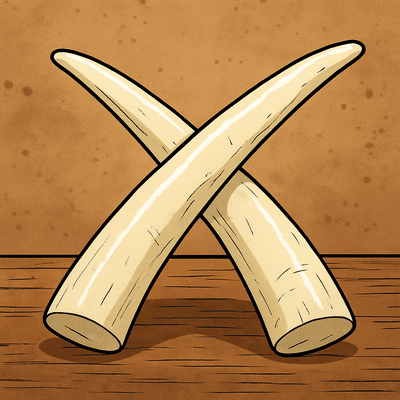

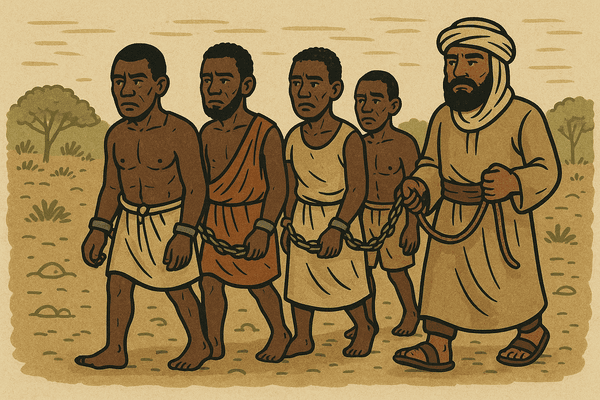
Activity 5: Listen to the audios and write down what you hear
Activity 6: Learn about periods of time
1. Key Words and Their Meanings
| Years | Name | Example Sentence |
|---|---|---|
| 10 years | Decade | Tanzania has had peace for more than a decade. |
| 50 years | Half a century | My grandfather has lived for half a century. |
| 100 years | Century | Uhuru Primary School is almost a century old. |
| 1000 years | Millennium | A millennium is the length of ten centuries or 100 decades. |
2. Fun Facts
We are living in the 21st century! ➡️ That means the years 2001 to 2100 all belong to the 21st century.
Tanzania got independence in 1961. ➡️ That was in the 20th century (1901–2000).
3. Tip to Remember
The 1st century started in year 1, not year 0! So:
- Years 1–100 = 1st century
- Years 101–200 = 2nd century
- ...
- Years 2001–2100 = 21st century
Activity 6a: Answer the questions about periods of time
Activity 7: Learn new vocabulary - match the words on the left side with their meanings on the right side
You found 0 of 10 pairs.
No matches yet
Activity 8: Choose the opposite of each word and write it in the blank - use the words in the blue box to help you
independence -
united -
injustice -
slaves -
cruel -
sorrow -
peace -
freedom -
boundaries -
hope -
Activity 9: Read the story and discover words with similar meanings
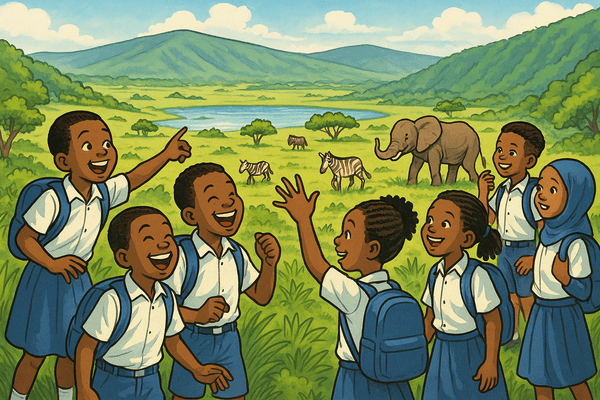
Safari to Ngorongoro Crater
Early one morning, pupils from Makumira Primary School prepared for a special school trip. The sun had just risen over the hills of Arusha, and the bus was packed with excited voices, snacks, and binoculars. Their destination? The world-famous Ngorongoro Crater.
Among the pupils was Vanesa, a curious and bright girl who had always dreamed of becoming a wildlife expert. She had read about Ngorongoro in books but had never seen it with her own eyes.
After several hours of travel, the bus climbed the highlands. Suddenly, they reached a viewpoint. Everyone got off and looked down. Vanesa gasped.
Below them lay a huge circular landform, like a giant bowl, full of green plains, lakes, and animals. It was the Ngorongoro Crater, the largest unbroken volcanic caldera in the world!
Their teacher, Rahim, explained:
“Millions of years ago, this was a tall volcano. But it collapsed and formed this crater. Now, it's home to over 25,000 animals, including lions, elephants, buffaloes, and even the endangered black rhino.”
As the bus drove into the crater, the pupils saw zebras grazing in herds, wildebeests running together, and flamingos standing in the shallow waters of Lake Magadi inside the crater.
Vanesa was amazed. “It’s like a zoo without fences!” she said.
Teacher Rahim smiled and said, “Yes, but this is their natural home. It is part of the Ngorongoro Conservation Area, where wildlife and people live together in harmony.”
They later passed a group of Maasai people walking with their cattle. Teacher Rahim said, “The Maasai are allowed to live here. They protect the environment and follow traditions that respect nature.”
Before leaving, Vanesa took one last look at the crater and whispered,
“One day, I will return—not as a pupil, but as a protector of Tanzania’s wildlife.”
Activity 9a: Match the words with similar or same meanings
You found 0 of 15 pairs.
No matches yet